BRINGING THINGS INTO FOCUS
+OCR & difficult markings
Read between the shadows.
Printed, pressed, embossed, or engraved. Start with how the characters interact with light, then decide how to read them.
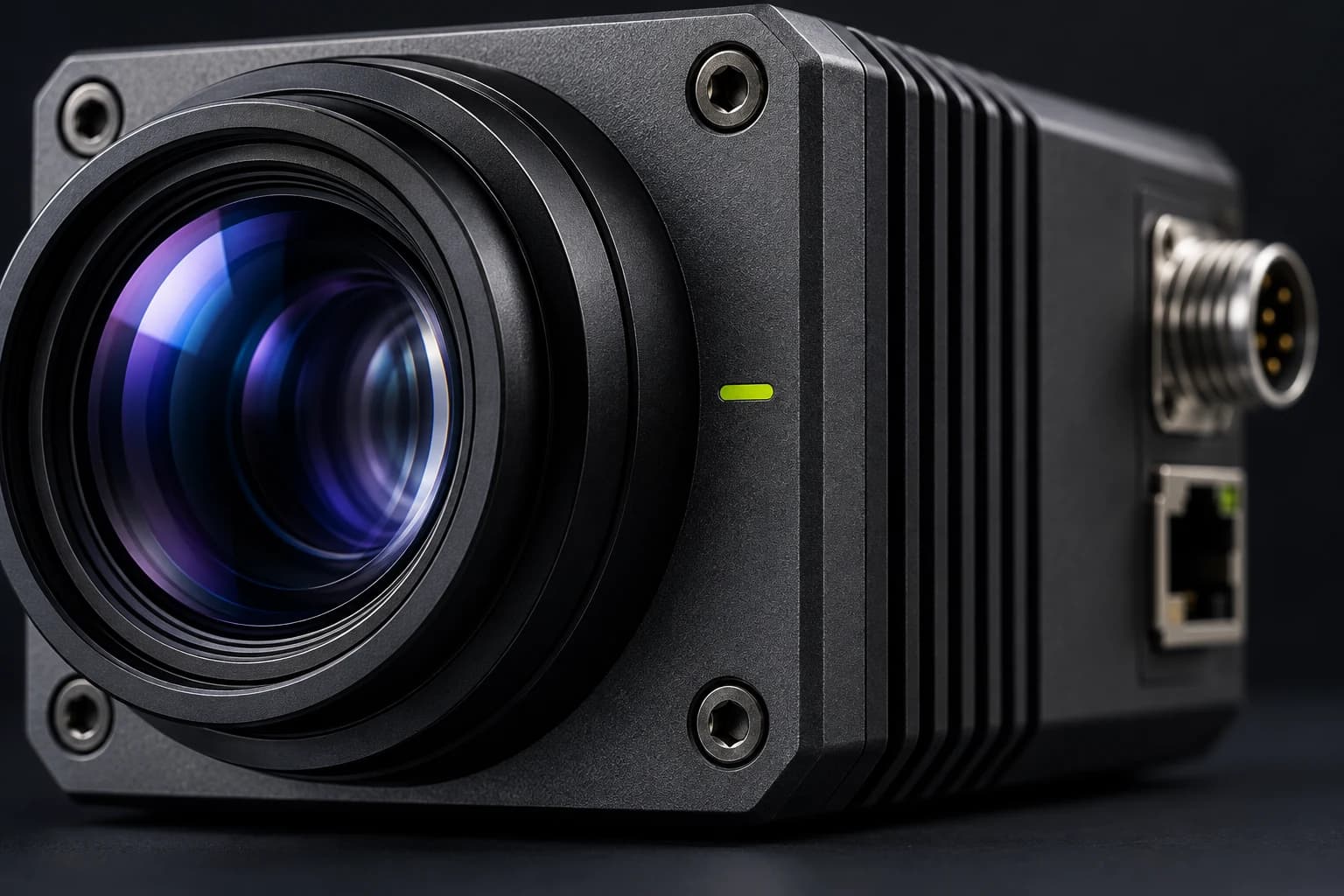 ILLUSTRATIVE CONCEPT / NOT MEASURED HARDWARE
+THE INSPECTION PROBLEM
The characters are there. The contrast may not be.
Ink gives conventional OCR a useful brightness difference. Debossed cardboard and raised plastic marks often provide geometry instead. Lighting direction can create the contrast needed to separate the character from its background.
+WHERE TO START
- Indented carton lot numbers
- Embossed and debossed batch codes
- Engraved metal characters
- Raised transparent-bottle marks — sample validation essential
RELIEF IMAGING / SIMULATIONSIMULATED IMAGERY
SAMPLE 01 / DEBOSSED CARDBOARDLEFT CHANNEL
TAKE A DIFFERENT VIEWThe detail is
The detail is
already there.
A directional light makes one edge brighter and the opposite edge darker. Try another direction to see the relief change.
Synthetic surface and lighting. Not captured by RAZANT hardware. Real performance depends on material, geometry, motion, and sample validation.
+A PRACTICAL EVALUATION
Understand it.
Then inspect it.
No OCR accuracy is claimed. Transparent bottles, reflective surfaces, curved parts, and moving samples require application-specific validation.
Define the expected characters and acceptance rules.
Evaluate representative good and bad samples under several lighting geometries.
Compare conventional OCR with relief enhancement where appropriate.
Validate false accepts, false rejects, motion, and surface variation.
+01 / RAZANT
Tools worth exploring.
Potential starting points from the RAZANT family. A suitable configuration depends on sample evaluation.
Inspection with the part held still
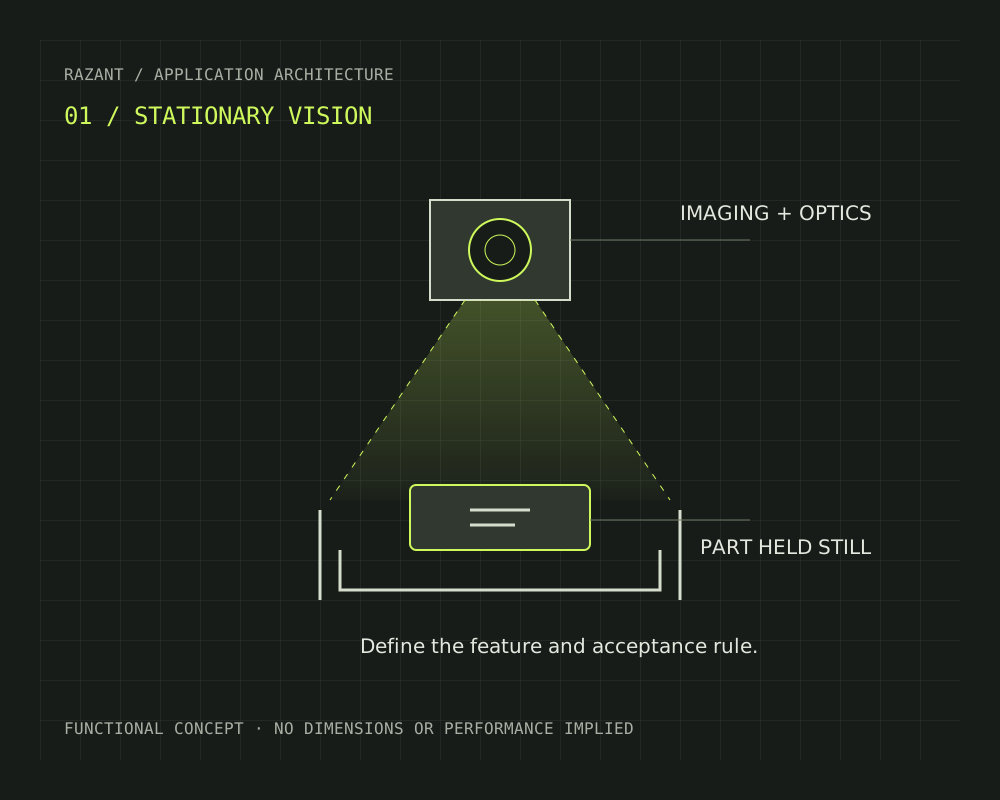 FUNCTIONAL CONCEPT / NOT A PRODUCT RENDER
Stationary vision.
Hold the part. Define the check.
Inspection of moving parts
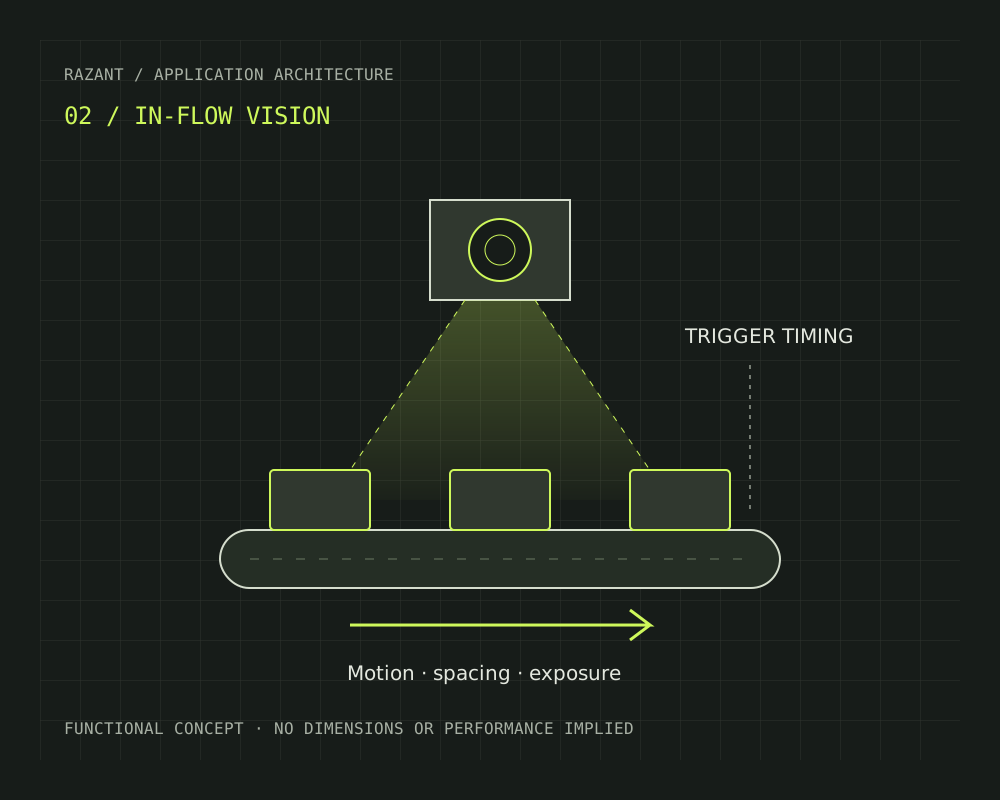 FUNCTIONAL CONCEPT / NOT A PRODUCT RENDER
In-flow vision.
Define the motion. Time the image.
Programmable directional lighting
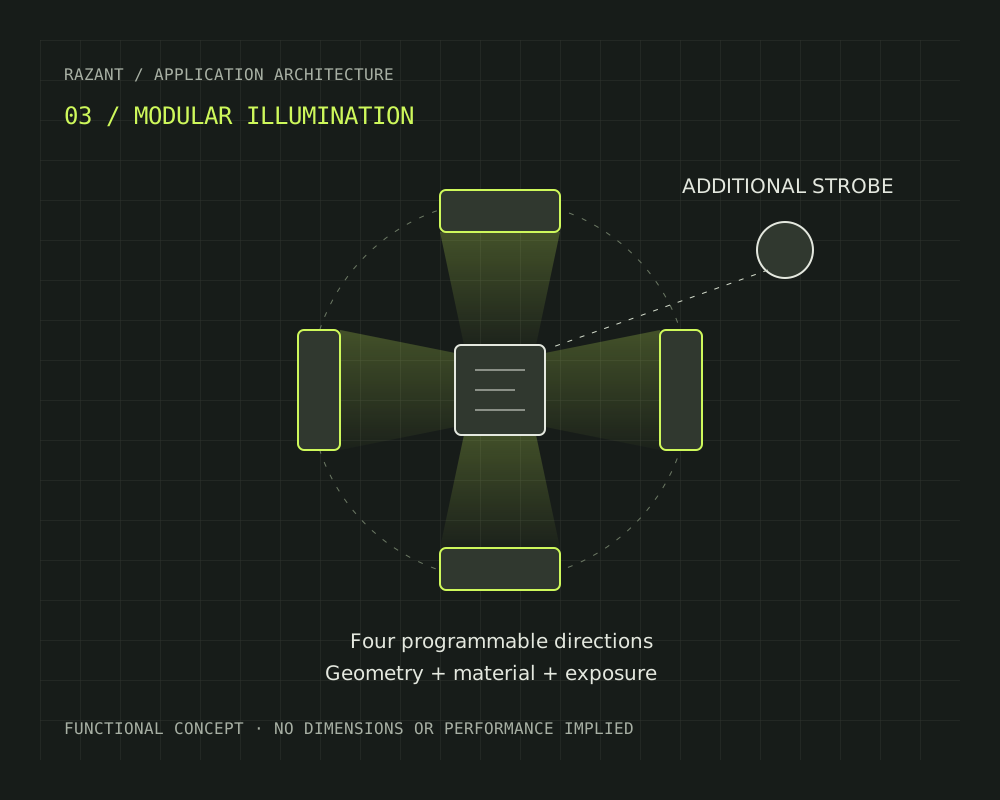 FUNCTIONAL CONCEPT / NOT A PRODUCT RENDER
Modular illumination.
Make the feature visible.
* Compare complete application scope: optics, lighting, power, mounting, software, integration, support and any recurring costs. No family price is approved.
+OPEN FOR APPLICATION EVALUATION
Show us the edge cases.
Tell us what the good parts and the bad parts look like. We’ll start with the image, then work toward an inspection.
Discuss your application